Is Your Point of Sale System Helping Your Restaurant Thrive?

Running a restaurant is a demanding job. Every decision affects your bottom line, from the quality of ingredients to the speed of service. One tool that can make or break your success is your point of sale (POS) system. But is your current POS system truly serving your restaurant’s needs? Many owners overlook how much their POS impacts daily operations, customer satisfaction, and profitability.
This post explores how a well-chosen POS system can support your restaurant’s growth and what signs show it might be time for an upgrade.

How a POS System Affects Restaurant Operations
Your POS system is more than just a cash register. It connects every part of your restaurant, from order taking to inventory management. A good POS system helps you:
Speed up service by sending orders directly to the kitchen
Track sales in real time to understand what’s popular
Manage inventory to reduce waste and avoid running out of key ingredients
Simplify payments with multiple options like cards, mobile wallets, and contactless payments
If your POS system is slow, crashes often, or lacks features, it can cause delays, errors, and frustrated staff. This leads to unhappy customers and lost revenue.
Signs Your POS System Is Holding You Back
Not every POS system fits every restaurant. Here are some common signs your system might be limiting your success:
Slow order processing causes long wait times during busy hours
Limited payment options frustrate customers who prefer digital wallets or contactless pay
No integration with delivery platforms means manual entry and errors for online orders
Poor reporting tools make it hard to track sales trends or inventory levels
Difficult to use interface leads to staff mistakes and longer training times
If you recognize these issues, your POS system is not serving you well.
Features to Look for in a POS System That Supports Growth
Choosing the right POS system means finding one that fits your restaurant’s unique needs. Here are key features to prioritize:
User-friendly interface so staff can learn quickly and reduce errors
Fast and reliable order processing to keep service smooth during peak times
Multiple payment options including chip cards, NFC, and mobile wallets
Inventory management that updates in real time and alerts you to low stock
Integration with online ordering and delivery services to handle takeout and delivery efficiently
Detailed sales and labor reports to help you make informed decisions
Customer relationship management (CRM) tools to track preferences and build loyalty
For example, a busy pizzeria might benefit from a POS that integrates with popular delivery apps and offers quick split-bill options. A fine dining restaurant may prioritize detailed reporting and table management features.
Real-World Example: How a POS Upgrade Boosted Sales
A mid-sized café in Chicago switched from a basic cash register to a modern cloud-based POS system. Before the upgrade, staff struggled with slow order entry and limited payment options. After switching, the café saw:
20% faster order processing times
15% increase in average ticket size due to easy upselling prompts
30% reduction in inventory waste thanks to real-time tracking
Improved customer satisfaction scores from smoother checkout experiences
This example shows how investing in the right POS system can directly improve efficiency and profits.
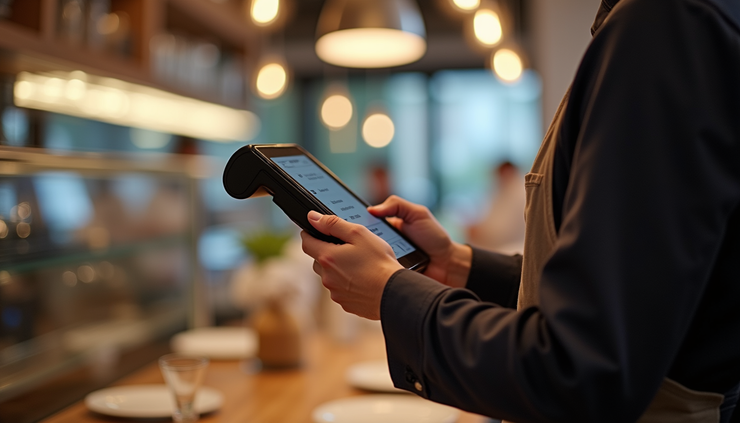
Tips for Choosing and Implementing a New POS System
Switching POS systems can feel overwhelming. Here are some tips to make the process smoother:
Assess your needs by listing what features matter most for your restaurant type and size
Ask for demos and trial periods to test ease of use and reliability
Check integration options with your current software like accounting or payroll
Train your staff thoroughly before going live to avoid mistakes
Plan the switch during a slow period to minimize disruption
Gather feedback from employees and customers after implementation to spot issues early
Choosing a POS system is an investment in your restaurant’s future. Taking the time to find the right fit pays off in better service and stronger profits.


Comments